
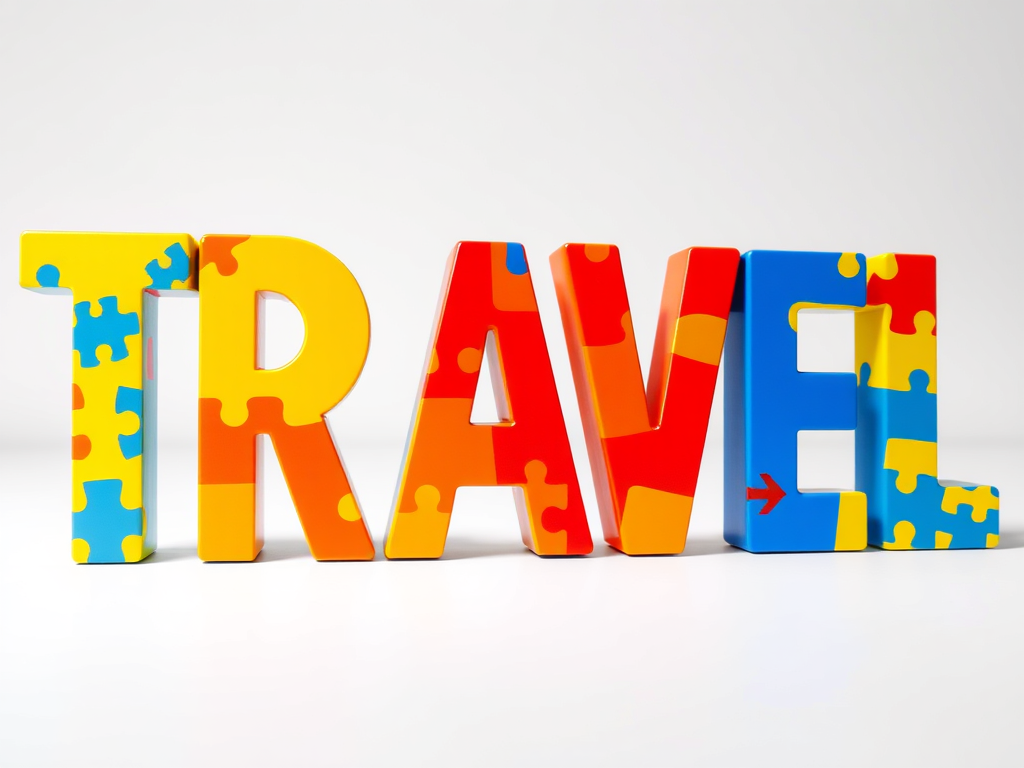
🌍 Accessible Travel
Travel opens up the world — new cultures, foods, landscapes, and experiences — but for autistic travelers, it can also bring unique sensory, social, and logistical challenges. The good news? With the right planning and tools, travel can be accessible, empowering, and deeply enjoyable.
Whether you’re a seasoned explorer or planning your first big trip, here are some tips to help you travel more comfortably and confidently — on your terms.
✈️ 1. Plan Ahead — In Detail
Preparation is key. Structure, familiarity, and routine can help reduce uncertainty and anxiety.
Tips:
- Create a visual itinerary: Include departure times, transit details, hotel check-in, meal breaks, and downtime.
- Use Google Street View to preview destinations, hotel entrances, or walkways.
- Check airport and airline policies: Many offer accommodations, early boarding, or sensory-friendly programs. You can request assistance in advance.
🧳 2. Pack for Comfort & Sensory Needs
Bring items that help you feel grounded and safe.
Consider packing:
- Noise-canceling headphones
- Sunglasses or a hat to reduce light stimulation
- Snacks and water, especially if you have dietary needs or aversions
- Fidget tools, comfort items, or a weighted lap pad
- A printed communication card or app, in case verbal communication becomes difficult
🏨 3. Choose Accommodations Mindfully
Where you sleep matters. A calm environment can make or break a trip.
Look for:
- Quiet rooms (request a room away from elevators or street noise)
- In-room kitchen if you prefer preparing your own meals
- Hotels that allow early check-in or late checkout to reduce time stress
🚦 4. Build in Recovery Time
Travel can be exhausting — physically and emotionally. Schedule downtime between activities or plan “buffer” days.
Try:
- One major activity per day
- Rest days between city changes or long transit days
- Solo time if you’re traveling with others
🧭 5. Use Technology to Navigate Smoothly
Apps can make the unfamiliar feel more manageable.
Useful tools:
- TripIt or Wanderlog for organized itineraries
- Google Maps with saved places
- Translation apps for international travel
- Autism-friendly travel guides (check out websites like AutismTravel.com or Aira)
🌟 6. Self-Advocate When Needed
You have the right to accommodations, dignity, and understanding.
Suggestions:
- Carry a discreet card that explains your sensory needs or communication style
- Let travel companions or staff know how they can support you
- Practice scripts for requesting help or saying “no” to uncomfortable situations
🧠 7. Reframe Travel Your Way
You don’t have to “do travel” like everyone else. Maybe you love museums but hate crowds. Maybe your ideal vacation is a cabin in the woods, not a jam-packed city tour.
Affirm this:
- It’s okay to skip attractions
- It’s okay to say no to group travel
- It’s okay to travel differently
🌈 Final Thoughts: You Belong Everywhere
Travel isn’t just for the neurotypical. You deserve access to the joy of discovering new places — on your own terms.
Celebrate the way you move through the world. With each trip, you’re not just seeing new places — you’re proving that autistic people belong everywhere.
Safe travels. 🌍💙








 Wanderlust Travel